
The Top 5 Most Active Kinds of Websites in 2025
Not all traffic is created equal. In this tour of the modern web, I look at the kinds of sites people actually live in every day, from social feeds and shopping carts to search boxes and news homepages, and what that means for anyone building on the web.

The web is full of weird little corners, but when you zoom out a pattern appears: a small set of website types swallow most of the attention. There are millions of sites online, yet a handful of categories quietly dominate daily active users, time‑on‑site and bandwidth. Looking at those categories tells you more about how people really use the internet in 2025 than any glossy trend report.
What Makes a Website 'Active'?
Before counting anything we should be clear about what "active" means here. I’m looking at a messy mix of signals: daily and monthly active users, how often people come back, how long they stay, and how much traffic a category eats overall. None of these metrics is perfect on its own, but together they paint a decent picture of where people actually hang out online.
- Daily active users (DAU) and monthly active users (MAU)
- Average session duration and pages per visit
- Return visitor rate and frequency of visits
- Total traffic volume and peak concurrent users
1. Social Media Platforms
Social platforms are still the undisputed heavyweights. Facebook, Instagram, TikTok, X, LinkedIn and their smaller cousins have wormed their way into morning routines, commutes, lunch breaks, and late‑night doomscrolling sessions. For billions of people, "going online" basically means opening one of these apps.
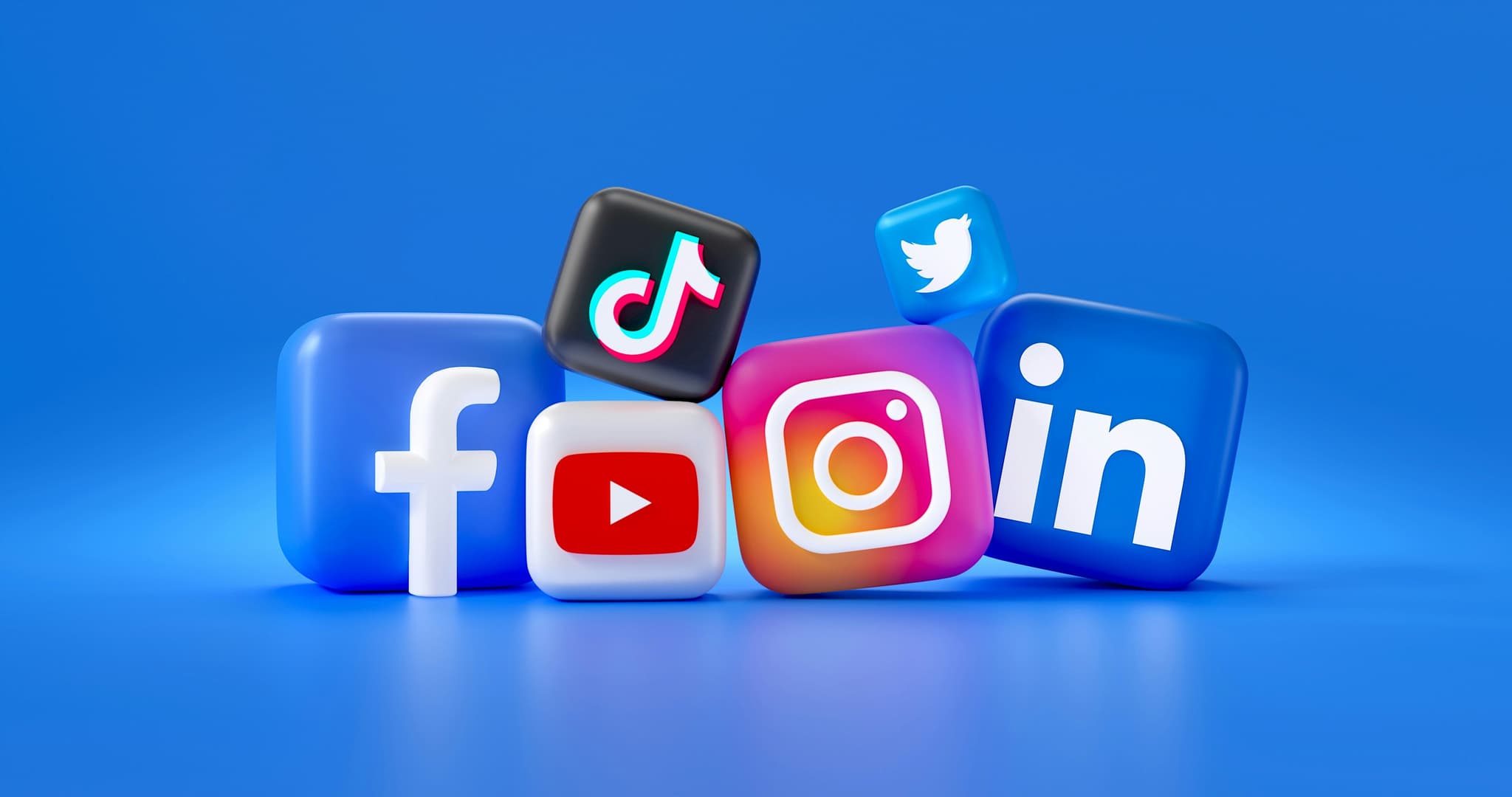
Their secret isn’t complicated: a never‑ending feed of new things to look at, react to, and argue about. Notifications tug you back in, algorithms learn exactly what will keep you scrolling, and posting your own stuff gives you a tiny hit of ownership. It’s a potent combination, and it’s very hard for other kinds of sites to compete with that level of habit‑forming behaviour.
“Social media has transformed from a communication tool into a primary source of entertainment, news, and social connection for billions of people.”
— Digital Trends Report 2025
2. E-Commerce and Shopping Platforms
For a huge chunk of people, "I need something" now translates to "I’ll order it" rather than "I’ll go out and find it". Marketplaces like Amazon, eBay and the long tail of Shopify stores quietly soak up enormous amounts of traffic. They win on convenience: search, compare, tap, and a box appears on your doorstep a day or two later.

E‑commerce is interesting because it’s both necessary and recreational. People research big purchases obsessively, skim reviews for fun, park things in wishlists and saved carts, and only occasionally hit the checkout button. Personalised recommendations and "people also bought" carousels turn what used to be a quick transaction into a longer browsing session.
- Amazon: The world's largest online marketplace
- eBay: Auction and fixed-price sales platform
- Etsy: Handmade and vintage marketplace
- Shopify stores: Millions of independent online stores
- Specialized platforms: Fashion, electronics, home goods
3. Video Streaming and Entertainment
Video platforms deserve their own category simply because of the sheer amount of time they absorb. YouTube, Netflix, Disney+, Twitch and friends mix lean‑back viewing with just enough interactivity, comments, chat, likes, live streams, to feel social. A "quick" video easily turns into an hour‑long session.

YouTube on its own is responsible for an absurd number of hours watched every day. Long‑form videos, Shorts, live streams and user‑generated content all compete for attention in one place, so there is always something else to watch when the current video ends. From a traffic perspective, that’s a perfect storm.
4. Search Engines and Information Portals
Search engines are the quiet workhorses of the web. Nobody spends an hour hanging out on a Google results page, but almost every journey starts with a query box. Add Wikipedia and a handful of big reference sites on top and you get a category that sees outrageous traffic despite relatively short visits.

What makes search different from other categories is its gateway role: almost every other site benefits from its existence. If search vanished tomorrow, a frightening number of "direct" visits would too.
Daily Search Statistics (2025):
- Google: ~8.5 billion searches/day
- YouTube searches: ~3.5 billion/day
- Wikipedia page views: ~18 billion/month
- Information-seeking behavior drives constant activity
5. News and Media Websites
News and media sites live on our home screens in a different way. They trade in urgency and habit: a quick check in the morning, another at lunch, doomscrolling at night. Big brands like the BBC, CNN or the New York Times sit alongside niche newsletters and local outlets, all chasing the same slice of your attention.

Push notifications, live blogs and the 24/7 news cycle turned "reading the news" from a once‑a‑day ritual into a constant background activity. The result is a traffic pattern that looks less like a spike and more like a heartbeat.
- Breaking news creates traffic spikes
- Email newsletters drive return visits
- Mobile apps increase engagement frequency
- Opinion pieces and analysis encourage longer sessions
- Video content and podcasts extend time on site
Emerging Categories to Watch
These five categories are the obvious giants, but there are fast‑moving upstarts as well:
- AI-powered platforms and tools (ChatGPT, Midjourney, etc.)
- Online learning and education platforms
- Health and fitness tracking apps
- Financial technology and investment platforms
- Remote collaboration and productivity tools
What This Means for Web Development
If you build products for the web, it's worth paying attention to where users already spend their time. The common thread across all of these categories is simple: they either solve real problems, entertain people relentlessly, or (ideally) do a bit of both. Engagement isn't magic, it's what happens when the site is genuinely useful or genuinely fun.
“The most active websites aren't just destinations, they're habits. They've become integrated into daily routines and serve essential functions in users' lives.”
Whether you’re sketching a new idea or maintaining a ten‑year‑old codebase, it’s helpful to remember that the most "active" sites on the internet are part of people’s routines. Fast responses, decent mobile support and smooth UX are just table stakes; the real work is giving people a reason to come back tomorrow.
Conclusion
The mix of dominant categories will keep changing, a few years ago short‑form video barely existed, and now it eats battery for breakfast. What doesn't change is the underlying motivation: connection, convenience, entertainment, information, and getting real work done. If your site leans into one of those in a deliberate way, it has a fighting chance of earning a slot in someone's daily browser muscle memory.